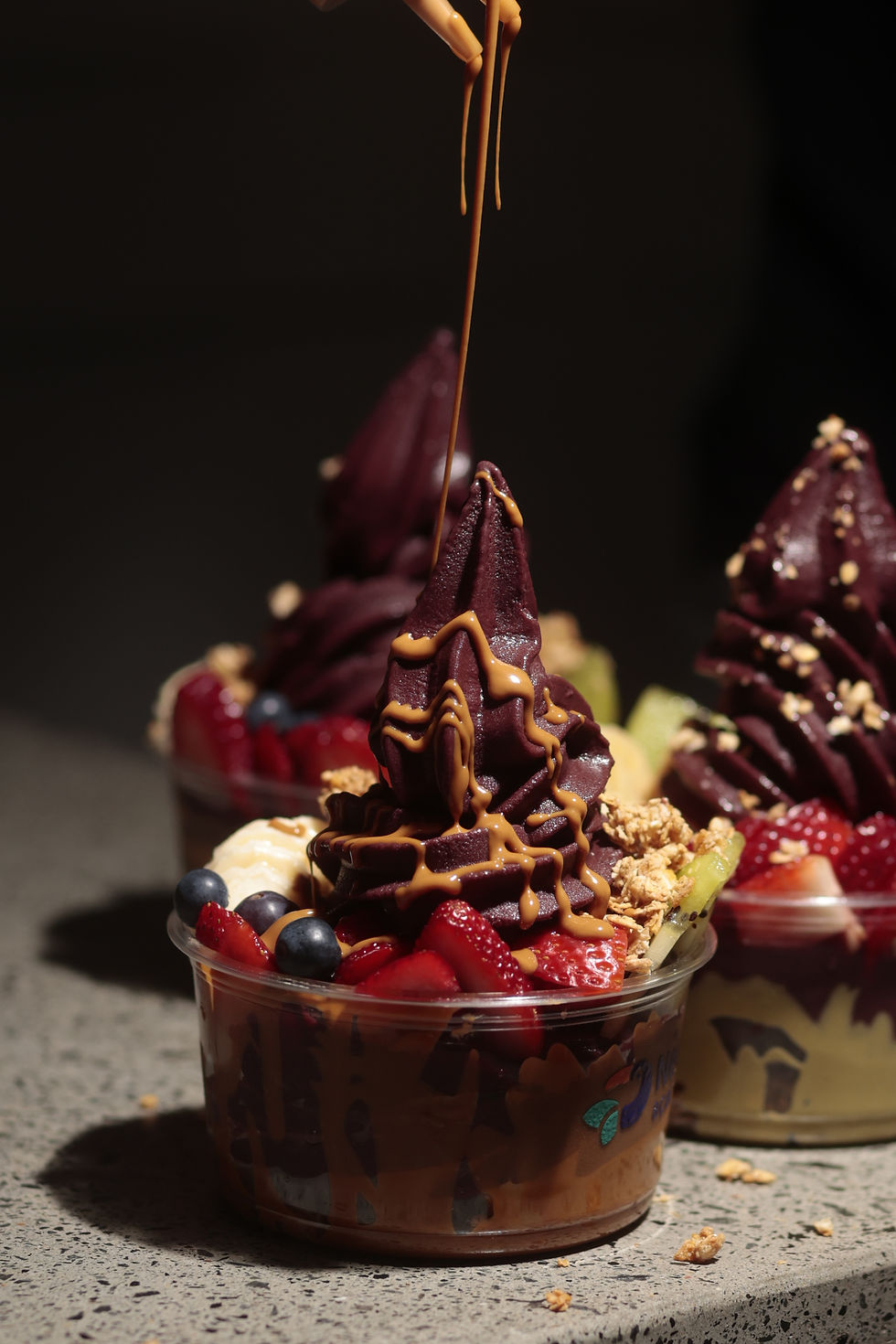
Commercial Açaí Machine ROI: How Long Until It Pays for Itself?

Updated: Mar 20
For many café owners, investing in a commercial açaí machine is less about trends and more about economics. The real question is not whether customers like açaí bowls. It is whether the machine can generate enough revenue to justify the investment.
Understanding açaí machine return on investment requires looking at the numbers behind each bowl served. This includes the price customers are willing to pay, the cost of ingredients, labour requirements, and the volume of daily sales.
When these factors are considered together, many cafés find that a commercial açaí machine can become one of the most profitable dessert assets in their business.

Why Açaí Soft Serve Performs Well Financially
Açaí soft serve has several characteristics that support strong profitability in cafés.
First, it offers high perceived value. Customers often associate açaí bowls with premium health foods, which allows cafés to price them higher than many traditional desserts.
Second, soft serve machines provide consistent texture and product quality, reducing variability and helping maintain a reliable customer experience.
Third, the production method removes many labour steps associated with blended bowls. Staff do not need to measure, blend, or reshape product. They simply dispense the serve and add toppings.
These operational efficiencies support strong açaí soft serve margins compared with many other café desserts.
Average Açaí Bowl Pricing in Australia
While pricing varies by location and café positioning, many venues across Australia sell açaí soft serve bowls in the range of $14 to $20 per serve.
Factors influencing pricing include:
café location and foot traffic
portion size
number of toppings included
premium add-ons such as nut butters or protein
For ROI calculations, a conservative example often assumes an average selling price of around $16 per bowl.
Understanding the Cost Per Serve
To calculate commercial açaí machine profit, it is important to understand the cost structure of each bowl.
Typical cost components include:
açaí machine mix
toppings such as granola or fruit
serving container
minor electricity and equipment costs
Because a soft serve machine delivers a consistent texture, product quality remains predictable across every serve. While exact numbers vary between businesses, many cafés aim to maintain food costs between 25 and 35 percent of the selling price.
This structure allows sufficient margin to cover labour, rent, and overhead while still generating profit from each serve.
You can explore product options designed for commercial machines here:https://www.nectarfruits.com.au/products
Example Profit per Serve
To illustrate the economics, consider a simplified example.
If a bowl sells for $16, and the combined ingredient and packaging cost is approximately $5, the gross profit per serve would be about $11 before labour and overhead.
Because soft serve machines reduce preparation time compared with blended bowls, the labour component per serve can also be lower.
This is one reason many cafés view açaí soft serve as a scalable dessert option.
Daily Sales Scenarios
The speed and consistency of soft serve machines make them suitable for high-volume service.
To estimate açaí machine cost vs profit, it helps to examine different daily sales scenarios.
Scenario 1: 20 Serves Per Day
20 bowls × $16 selling priceDaily revenue: $320
Assuming a $5 cost per bowl:
Total cost: $100Approximate daily gross margin: $220
This scenario may represent a smaller café introducing açaí bowls as a new menu item.
Scenario 2: 40 Serves Per Day
40 bowls × $16 selling priceDaily revenue: $640
Ingredient cost: $200
Approximate daily gross margin: $440
At this level, açaí soft serve becomes a meaningful revenue contributor to the dessert category.
Scenario 3: 60 Serves Per Day
60 bowls × $16 selling priceDaily revenue: $960
Ingredient cost: $300
Approximate daily gross margin: $660
High-foot-traffic cafés and beachside locations may regularly exceed this level during summer months.
Break-Even Timeline for a Commercial Açaí Machine
The break-even point depends on the price of the equipment and the daily sales volume.
While machine pricing varies depending on capacity and features, cafés typically analyse ROI using the daily profit generated by açaí bowls.
For example:
If a café produces 40 bowls per day with an approximate gross margin of $440, the cumulative contribution over a month of trading can be significant.
Over time, this revenue helps offset the equipment investment.
Because machines standardise production and support higher throughput, many operators view them as long-term profit assets rather than short-term expenses.
Comparing to Traditional Dessert Labour
Traditional desserts often require:
ingredient preparation
plating or blending
longer assembly time
higher staff skill requirements
Each of these steps adds labour cost.
Açaí soft serve machines streamline this process by allowing staff to dispense the product directly from the machine.
This reduces preparation time and helps cafés serve more customers during peak periods without increasing staffing levels.
From a business perspective, this operational efficiency contributes directly to improved profitability.
Why Consistent Supply Matters
Return on investment is only achievable if supply remains reliable.
Running out of product during peak periods disrupts service and prevents cafés from capturing potential revenue.
Nectar Fruits supplies a range of açaí products designed for hospitality environments, including Pure Açaí Machine Mix, formulated for commercial soft serve machines.
Reliable wholesale supply helps cafés maintain consistent service and plan inventory effectively.
Learn more about supply options here:https://www.nectarfruits.com.au/acai-wholesale
Açaí Soft Serve as a Long-Term Revenue Stream
While the initial decision often focuses on equipment cost, the long-term value of a commercial açaí machine lies in its ability to generate repeat sales.
Customers who enjoy a consistent dessert experience are more likely to return regularly. Over time, this builds a dependable revenue stream that supports the overall café business.
When paired with efficient operations and reliable product supply, açaí soft serve can become one of the most stable dessert categories on the menu.
Evaluating açaí machine return on investment requires balancing equipment cost with realistic sales expectations.
By examining average bowl pricing, ingredient costs, daily sales scenarios, and labour efficiency, cafés can develop a clear picture of how a commercial açaí machine may perform in their business.
For many operators, the combination of premium pricing, consistent texture, and fast service makes açaí soft serve a financially attractive addition to the menu.
Ready to Explore Açaí Wholesale Supply?
If you are considering introducing açaí soft serve to your café or want to understand how wholesale supply works, the Nectar Fruits team can help guide you through the available options.
Learn more about açaí wholesale supply:https://www.nectarfruits.com.au/acai-wholesale
Speak with the Nectar Fruits team:https://www.nectarfruits.com.au/contact-us
Educational disclaimer: This article is provided for general information purposes only and does not constitute financial or business advice. Actual results will vary depending on location, pricing, and operational factors.