Acai Bowl Machines vs. Soft Serve Machines: Which Format Fits Your Menu?


Every café or juice bar adding açaí to the menu eventually hits the same fork in the road: do you serve it the classic way, blended fresh to order, or as soft serve, dispensed smooth and creamy at the pull of a lever? Both formats produce a genuinely good açaí bowl, but they call for different equipment, different setups behind the counter, and different economics depending on how busy your venue is.
Here's how the two formats actually compare, so you can work out which one fits your menu.
Blended Açaí Bowls: The Classic Format
Blended açaí bowls are made using a commercial blender to combine frozen açaí pulp with other fruit, milk, juice or nut butter, then topped by hand with fruit, granola and other toppings. It's the format most people picture when they think of an açaí bowl — thick, spoonable, and fully customisable batch by batch.
Equipment needed: A commercial-grade blender capable of handling thick, frozen ingredients without straining. Depending on the brand and durability, commercial blenders for cafés generally range from around $1,000 for an entry-level unit up to $5,000 or more for a heavy-duty, high-volume model.
Pros:
Full control over recipe and customisation, bowl by bowl
Lower upfront equipment cost than a soft serve machine, especially for smaller venues
No dedicated soft-serve mix required — works with organic açaí pulp sachets or bulk pulp
Cons:
Slower per-bowl service time, since each order is blended individually
Texture and consistency can vary slightly batch to batch depending on staff technique
A standard blender isn't built for continuous, high-volume commercial use — it will wear out faster and struggle with the thick, frozen texture açaí requires during a genuine rush
Soft Serve Açaí: The High-Volume Format
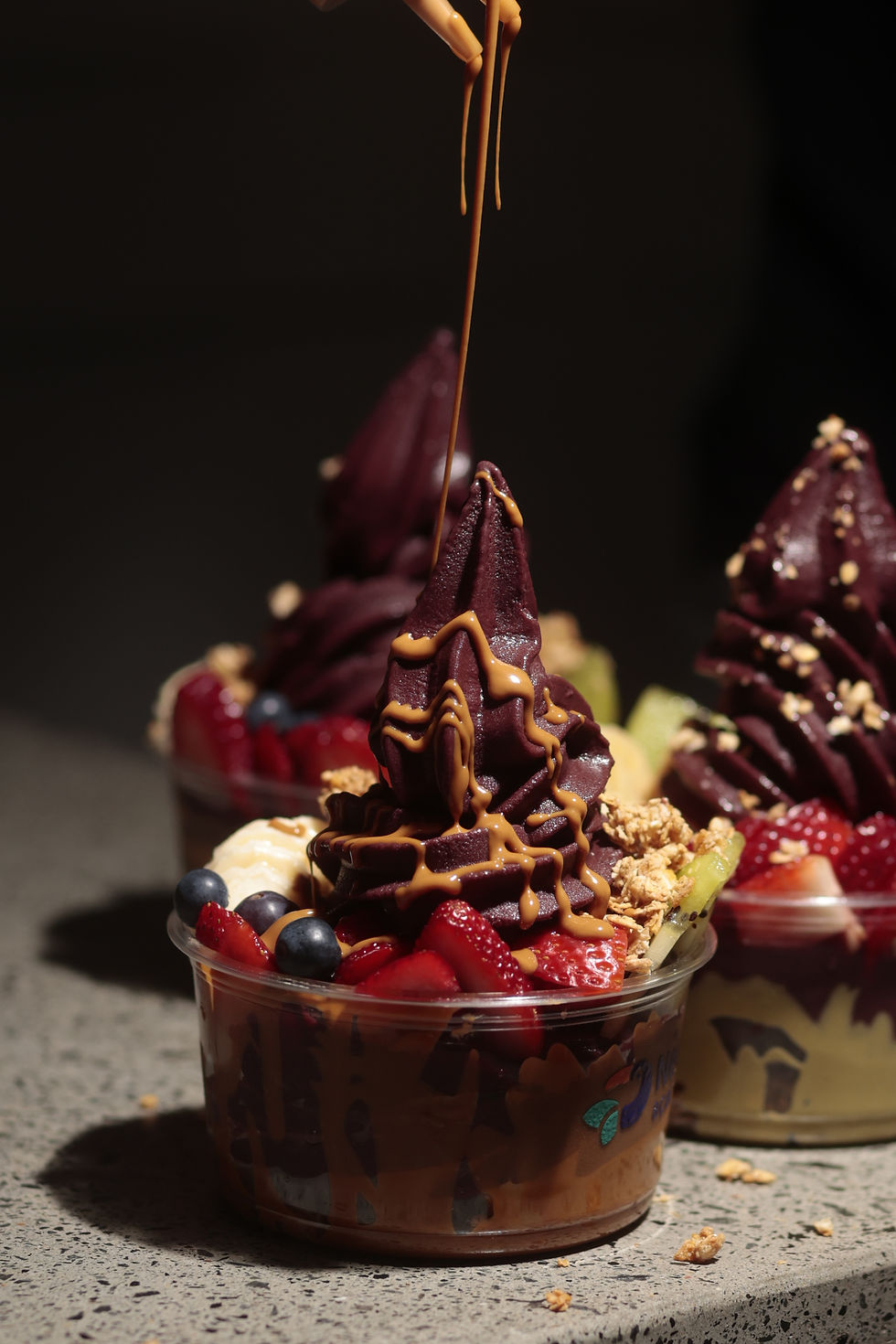
Soft serve açaí uses a dedicated machine to process a specially formulated mix into smooth, consistent soft-serve texture, dispensed on demand. It's the format most café and juice bar customers have come to expect visually, and it's built for speed.
Equipment needed: A commercial soft serve açaí machine. Nectar Fruits offers two options:
Nectar Single Soft Serve Açaí Machine — $8,500 + GST. Capacity of 40 litres per hour, a 10-litre hopper and 2-litre cylinder, running on a standard 10-amp power supply. Suited to cafés, health food stores, food trucks and boutique venues wanting a smaller footprint.
Nectar Double Soft Serve Açaí Machine ("Turbo Toucan") — $15,500 + GST. Capacity of 50 litres per hour, with two independent 12-litre hoppers and 2-litre cylinders, requiring a 20-amp power supply. Built for busy cafés and dessert bars wanting to serve two flavours at once or handle higher peak-hour volume.
Pros:
Fast, consistent service, with the same texture and flavour every time
Higher throughput during peak hours, since the machine does the work rather than a staff member blending each order
Visual appeal — the swirl of soft serve açaí is a strong menu drawcard on its own
With a double barrel machine, you can offer two flavours from the same unit
Cons:
Higher upfront equipment cost than a blender
Requires a soft-serve-specific mix, such as the Açaí Pure Machine Mix (68% açaí, formulated to flow through machine barrels)
Needs consistent power supply and space to accommodate the machine's footprint (particularly the double barrel unit at 205kg)
Which Format Actually Suits Your Menu?
There's no universally "better" option — it comes down to your volume, space and how you want açaí to fit into your service.
Choose blending if:
You're a smaller venue or just testing whether açaí will sell
You want full recipe flexibility and plan to offer highly customised bowls
Bench space and budget are tight, and you're not expecting high daily volume yet
Choose soft serve if:
You're already seeing (or expect) strong, consistent daily demand
Speed during peak service matters — soft serve dramatically cuts prep time per bowl
You want açaí to be a visual menu hero, not just another blended item
You're weighing up buying outright versus a rent-to-own machine to manage the higher upfront cost
A Third Option: Combining Both
Plenty of venues don't choose one format exclusively. A blended menu item can sit alongside soft serve for customers who want a fully custom bowl, while soft serve handles peak-hour volume and gives you a stronger visual menu item. If you already have a soft serve machine, sachets and pulp for blending can be a low-cost way to add variety without new equipment.
What to Factor In Either Way
Regardless of which format you land on, a few things matter no matter what:
Ingredient quality – A machine or blender is only as good as what goes into it. Look for transparent açaí percentages rather than heavily diluted mixes.
Staff training – Soft serve machines are simple to operate but still benefit from proper setup and cleaning training. Blending relies more heavily on staff technique for consistent results.
Cleaning and maintenance – Soft serve machines need regular cleaning cycles; blenders need to be broken down and washed after each use to avoid cross-contamination between orders.
Growth plans – If you expect volume to increase, it's worth thinking through the machine that fits your business now rather than needing to upgrade equipment later.
Getting Started
Whether you land on blending, soft serve, or a mix of both, the right choice comes down to your venue's volume and how you want açaí to show up on your menu. If you're leaning toward soft serve, it's worth talking through your expected daily bowl count so you can compare the single and double barrel options against your actual needs.