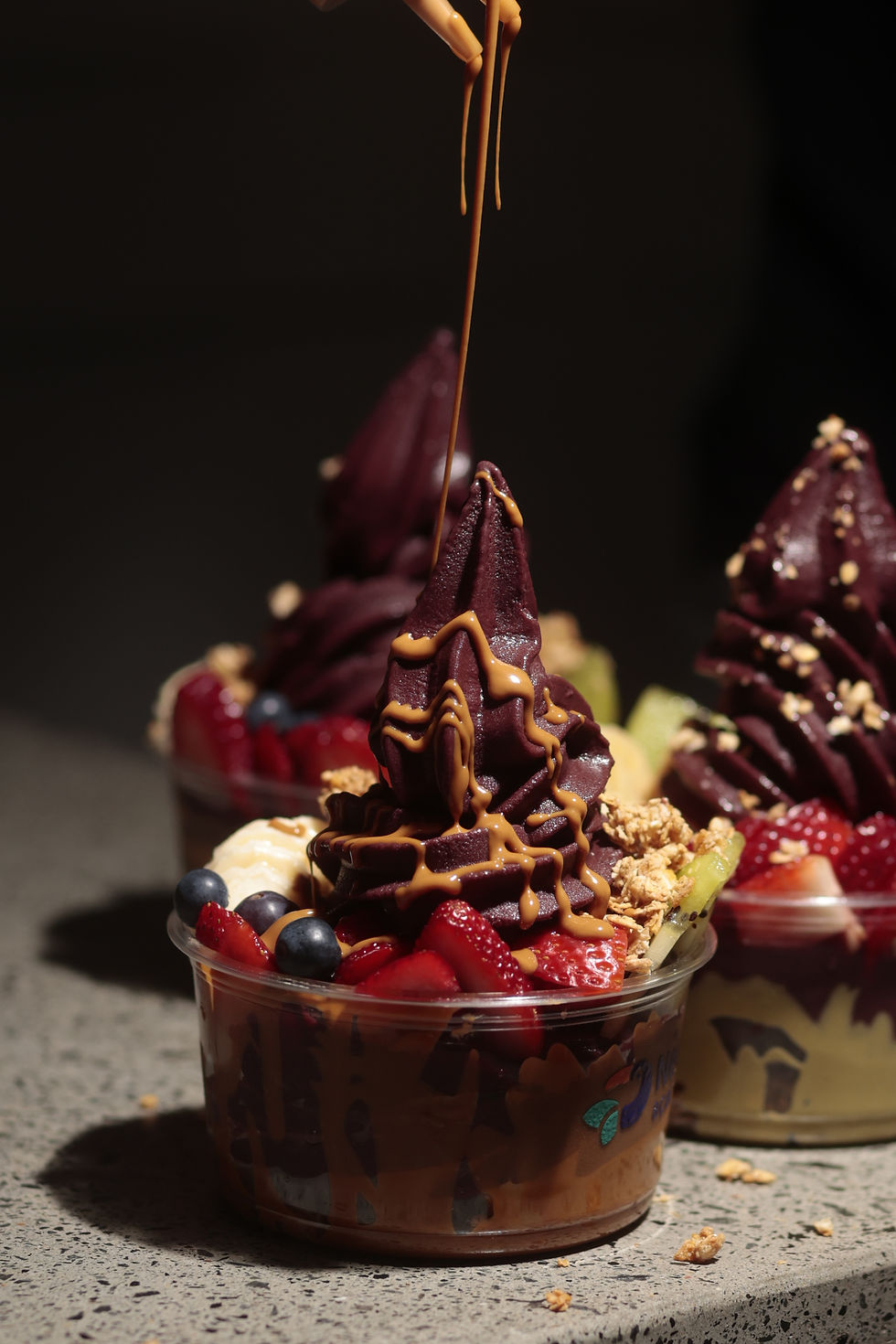
What Is Pitaya Base? Ingredients & Taste Guide


Pitaya bowls have become increasingly popular in cafes, smoothie bars, and health-focused venues across Australia. Known for their vibrant pink colour and refreshing flavour, pitaya products are often used as a base for smoothie bowls, drinks, desserts, and frozen treats.
But what exactly is pitaya base, what ingredients are typically included, and how does it compare to other fruit-based products like acai?
At Nectar Fruits, we work closely with cafes, smoothie bars, and hospitality venues looking to expand their menu with high-quality frozen fruit products and bowl concepts.
What Is Pitaya?
Pitaya, commonly known as dragon fruit, is a tropical fruit grown in Central America, South America, and parts of Asia. The fruit is recognised for its bright pink skin and white or magenta flesh filled with tiny edible black seeds.
Pitaya is commonly used in:
Smoothie bowls
Smoothies and juices
Frozen desserts
Soft serve products
Cafe breakfast menus
Health-focused beverages
The fruit itself has a mild, refreshing flavour and blends well with many tropical ingredients.
What Is Pitaya Base?
Pitaya base is a blended or prepared pitaya product designed to be used as the foundation for smoothie bowls, smoothies, or frozen desserts.
Depending on the supplier and product type, pitaya base may include:
Pitaya puree or pulp
Banana or other fruit blends
Natural sweeteners
Guarana or fruit concentrates
Water or coconut water
Stabilising ingredients for texture consistency
Some products are highly concentrated and closer to pure fruit pulp, while others are specifically formulated for commercial use in smoothie bars and cafes.
What Does Pitaya Taste Like?
Pitaya has a light and refreshing flavour that is often described as:
Mildly sweet
Slightly earthy
Similar to kiwi or pear
Less rich than acai
More refreshing than berry-based products
Compared to acai, pitaya is generally:
Less dense
Less creamy
Lower in earthy or chocolate-like notes
More tropical and fruit-forward
This makes pitaya particularly popular during warmer months or in venues focused on fresh, vibrant menu options.
Common Ingredients in Pitaya Products
Not all pitaya bases are the same. Ingredients can vary depending on whether the product is designed for:
Retail use
Commercial smoothie bars
Frozen desserts
Soft serve machines
Scoop products
Some pitaya products contain:
Pure pitaya pulp
Banana for creaminess
Apple juice concentrate
Coconut water
Natural colour retention ingredients
Natural flavouring
Businesses should always review ingredient lists carefully, especially when marketing products as:
Vegan
Dairy-free
Gluten-free
No added sugar
100% fruit
Why Cafes Are Adding Pitaya Bowls
Pitaya bowls have become attractive menu items because they combine:
Bright visual appeal
Strong social media potential
Perceived health benefits
Customisable toppings
High-margin menu positioning
The vibrant pink colour makes pitaya bowls highly shareable online, particularly on Instagram and TikTok.
Popular toppings include:
Granola
Fresh fruit
Coconut flakes
Chia seeds
Nut butters
Honey drizzles
Cacao nibs
This also creates opportunities for upselling and increased average order value.
Pitaya vs Acai
Although both products are commonly used in smoothie bowls, there are several differences between pitaya and acai.
Feature | Pitaya | Acai |
Flavour | Light and tropical | Rich and earthy |
Colour | Bright pink | Deep purple |
Texture | Refreshing and lighter | Thick and creamy |
Typical Use | Tropical bowls and smoothies | Acai bowls and desserts |
Social Appeal | Bright visual presentation | Wellness-focused branding |
Many cafes choose to offer both options to appeal to different customer preferences.
Is Pitaya Healthy?
Pitaya naturally contains:
Fibre
Vitamin C
Antioxidants
Natural fruit sugars
However, the overall nutritional profile depends on:
The specific product formulation
Added sweeteners
Portion sizes
Toppings used
Some pitaya bowls can become high in sugar or calories depending on ingredients added during preparation.
Businesses should avoid making exaggerated health claims and instead focus on transparency around ingredients and preparation methods.
How Pitaya Base Is Used Commercially
Commercial pitaya base products are often used in:
Smoothie blenders
Frozen bowl preparation
Soft serve applications
Grab-and-go smoothie products
Consistency is important for hospitality venues, which is why many businesses prefer pre-prepared commercial blends rather than manually preparing fresh fruit daily.
Benefits for cafes can include:
Faster preparation times
More consistent colour and texture
Reduced food waste
Easier staff training
Simplified inventory management
Choosing the Right Pitaya Product
When selecting a pitaya base, businesses should consider:
Ingredient quality
Texture consistency
Storage requirements
Ease of preparation
Sweetness level
Compatibility with existing equipment
The ideal product will depend on the type of venue and menu offering.
Explore Pitaya and Acai Products with Nectar Fruits
Whether you are looking to add pitaya bowls, acai bowls, smoothies, or frozen dessert options to your menu, our team can help you explore suitable products and equipment options for your business.
Final Thoughts
Pitaya base has become a popular addition to cafes, smoothie bars, and hospitality venues looking to expand their menu with colourful, fruit-based products.
Its refreshing flavour, vibrant appearance, and flexibility make it suitable for smoothie bowls, frozen desserts, and tropical beverage menus.
As customer demand for visually appealing and fruit-forward products continues to grow, pitaya products are likely to remain a strong trend across the Australian hospitality industry.
Disclaimer
This article is for educational purposes only and should not be considered nutritional, dietary, or medical advice. Businesses should review product ingredient lists and obtain professional advice before making health or nutritional claims.
FAQs
What is pitaya made from?
Pitaya is made from dragon fruit, a tropical fruit known for its bright pink skin and refreshing flavour.
Is pitaya the same as dragon fruit?
Yes. Pitaya and dragon fruit are different names for the same fruit.
Does pitaya taste like acai?
No. Pitaya is generally lighter, sweeter, and more tropical in flavour, while acai is richer and more earthy.
Is pitaya base healthy?
Pitaya naturally contains fibre and antioxidants, but the nutritional profile depends on the ingredients added to the product.
Can pitaya be used in soft serve machines?
Some commercial pitaya products are specifically designed for soft serve and frozen dessert applications.